Home Aquaponics: Setup and Maintenance Simplified

Home Aquaponics: Setup and Maintenance Simplified

Dive into the rewarding world of home aquaponics! This fascinating system combines aquaculture (raising fish) and hydroponics (growing plants without soil) in a symbiotic relationship. Waste from the fish provides nutrients for the plants, and the plants, in turn, filter the water, creating a self-sustaining ecosystem perfect for your kitchen or backyard. This guide simplifies the setup and maintenance, empowering you to cultivate fresh, healthy food while enjoying a captivating miniature ecosystem.

Choosing Your System: Finding the Perfect Fit

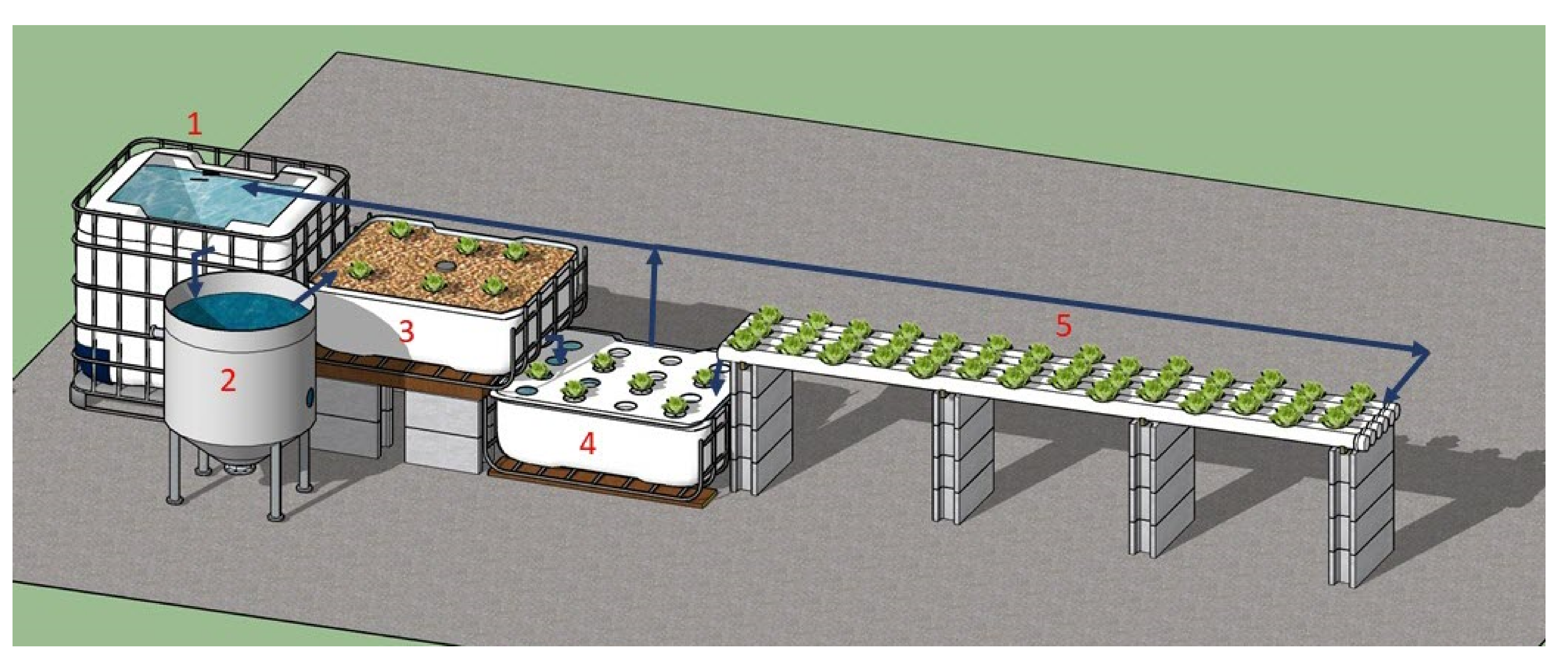
Selecting the right aquaponics system depends on your space, budget, and experience level. Media bed systems are popular for beginners. These utilize a gravel or clay-based bed where beneficial bacteria colonize, converting fish waste into plant-usable nutrients. Water flows from the fish tank through the media bed and back, mimicking a natural cycle. Deep water culture (DWC) systems are another option, suspending plant roots directly in nutrient-rich water. These systems are often more efficient but require more precise monitoring. Consider a media-based DWC hybrid which combines elements of both. Finally, simpler systems like a small, single-tank system are ideal for very small spaces and provide a great starting point to learn the basics before scaling up. Research each system thoroughly to determine the best fit for your situation and skill level.

Setting Up Your Aquaponics System: A Step-by-Step Guide

Choosing Your Fish and Plants

Selecting compatible fish and plants is crucial. Hardy fish like tilapia or goldfish tolerate a wider range of water conditions, making them ideal for beginners. Avoid overstocking your tank; overcrowding leads to ammonia buildup and harms both your fish and plants. Choose plants that thrive in nutrient-rich water. Leafy greens like lettuce, kale, and basil are excellent choices, readily absorbing nutrients and providing rapid growth. Consider the size of your system and choose a fish and plant population you can successfully manage.

Building Your System

Assemble your chosen system carefully, following the manufacturer's instructions. If building a custom system, prioritize materials that are non-toxic and food-safe. Ensure proper plumbing connections to facilitate water flow between the fish tank and the grow bed. Proper water flow is essential for maintaining the balance of the system. Create a gentle, consistent circulation to avoid stagnation and encourage even nutrient distribution.

Cycling Your System: The Crucial First Step

Before introducing fish, your system needs "cycling." This process establishes the beneficial bacteria that convert harmful ammonia and nitrite into less toxic nitrate, a plant nutrient. Add a source of ammonia (like fish food) to the system and monitor ammonia, nitrite, and nitrate levels using a test kit. Once the cycle completes (nitrates are present and ammonia and nitrite levels are low), you can introduce your fish.

Maintaining Your Aquaponics System: Keeping it Thriving

Regular Water Testing

Regularly test your water for pH, ammonia, nitrite, and nitrate levels. Maintaining optimal water parameters is essential for the health of your fish and plants. Adjust accordingly with water changes or pH buffers, as needed. Consistent monitoring helps catch problems early, preventing larger issues and ensuring the overall health and success of your system.

Feeding Your Fish

Feed your fish a high-quality, appropriate diet. Avoid overfeeding, as excess food contributes to water pollution. Observe your fish and adjust the feeding schedule based on their appetite and growth rate. Remove uneaten food promptly to maintain water quality.

Harvesting and Cleaning

Harvest your plants regularly to encourage continuous growth. Clean your system periodically, removing any dead plant matter or accumulated debris. Regular cleaning helps prevent the buildup of harmful bacteria and maintains water clarity. A gentle cleaning regimen maintains a healthy, efficient ecosystem.

Troubleshooting Common Problems

Even with careful planning, issues can arise. Algae blooms can be managed by reducing light exposure or introducing algae-eating fish. Low pH might require the addition of buffers. High ammonia or nitrite levels indicate a problem with the biological filter; consider increasing water flow or adding more media. Addressing problems promptly ensures a flourishing aquaponics system. Regularly inspect your system and make adjustments based on your observations.

With careful planning and consistent monitoring, your home aquaponics journey will be both rewarding and educational. Enjoy the freshness of homegrown produce and the fascinating beauty of a thriving, self-sustaining ecosystem!

Share:

Energy Saving Ideas For Home Aquaponics Setups

Optimizing Energy Consumption in Home Aquaponics Systems: A Comprehensive Guide

Home aquaponics systems, while offering a sustainable and rewarding approach to food production, often present challenges regarding energy consumption. The continuous operation of pumps, aeration systems, and lighting necessitates careful consideration of energy efficiency to minimize environmental impact and operational costs. This comprehensive guide explores various strategies for optimizing energy usage within a domestic aquaponics setup, focusing on both technological solutions and operational best practices.

Optimizing Pump Selection and Operation

The heart of any aquaponics system is the pump, responsible for circulating water between the fish tank and the grow bed. The choice of pump and its operational parameters significantly influence energy consumption. Careful selection is paramount to minimizing energy waste.

Selecting Energy-Efficient Pumps

When selecting a pump, prioritize energy efficiency ratings. Look for pumps with high-efficiency motor designs, indicated by parameters like Energy Star certification (where available) or a high efficiency rating (EER). Consider the pump's head pressure and flow rate requirements. Choosing a pump with a flow rate slightly higher than necessary can lead to increased energy consumption. Conversely, underpowered pumps might struggle, requiring more energy to achieve adequate circulation. Precise calculations based on system volume and desired flow rate are crucial.

Optimizing Pump Operation

Beyond pump selection, operational strategies can significantly influence energy consumption. Consider implementing the following:

  • Variable Speed Pumps: These pumps allow for adjusting the flow rate based on system needs, consuming less energy during periods of lower demand. This adaptability is particularly useful during different growth stages of plants.
  • Timer Systems: Employing timers allows for cycling the pump, reducing energy consumption during periods when circulation is not strictly necessary. This can be particularly beneficial overnight or during periods of reduced plant transpiration.
  • Regular Maintenance: Regular cleaning of pump impellers and filters is vital. Clogged filters increase pump workload and energy consumption. Scheduled maintenance prevents this energy drain.
  • Proper Placement: Positioning the pump strategically minimizes friction losses within the system plumbing. Short, straight plumbing routes reduce energy needed to move the water.

Efficient Lighting Strategies for Plant Growth

Aquaponics relies on efficient light sources for optimal plant growth. The selection of lighting and its operational parameters significantly impact energy usage.

Choosing Energy-Efficient Lighting

LED grow lights are increasingly popular due to their energy efficiency and spectrum customization. Compared to traditional fluorescent or high-pressure sodium (HPS) lamps, LEDs offer significantly reduced energy consumption for equivalent light output. When choosing LEDs, consider the PPFD (Photosynthetic Photon Flux Density), a measure of light intensity crucial for plant growth. Selecting appropriate PPFD for the specific plant species will optimize growth without excess energy use.

Optimizing Light Schedules and Intensity

Precise light scheduling can further optimize energy usage. Implementing light timers allows for tailoring the light cycle to the plants' needs, avoiding unnecessary illumination during periods of darkness. The duration and intensity of the light cycle should be tailored to the specific plant species. Over-illumination can lead to energy wastage without proportionally increased growth. Consider using light sensors to automatically adjust light intensity according to ambient light levels, supplementing only when necessary.

Minimizing Energy Consumption in Aeration Systems

Aeration is crucial for maintaining dissolved oxygen levels in the fish tank, essential for fish health. However, aeration systems are significant energy consumers. Optimizing aeration strategies is vital for minimizing energy use while ensuring adequate oxygen levels.

Choosing Efficient Aeration Methods

Consider using air pumps with low energy consumption and high oxygen transfer efficiency. High-efficiency air stones and diffusers maximize oxygen transfer, reducing the need for powerful air pumps. Assess the system's oxygen demand through regular dissolved oxygen monitoring. Over-aeration wastes energy and can even be detrimental to fish. Alternatively, explore using surface agitation methods like small waterfalls or water features, which can supplement or even replace air pumps in some systems, reducing energy needs.

Optimizing Aeration Timing

Similar to lighting and pump operation, employing timers for aeration systems allows for optimizing energy use. Aeration demands may vary throughout the day. Timing aeration based on oxygen level monitoring, utilizing sensors to regulate the system automatically, can significantly reduce energy consumption. During nighttime, oxygen demand is typically lower, reducing the need for continuous high-level aeration.

Insulation and Environmental Control

Maintaining a stable temperature in the aquaponics system reduces the energy demands of heating or cooling elements.

Insulation to Minimize Temperature Fluctuations

Insulating the fish tank and grow beds reduces heat loss during colder months and heat gain during warmer months, minimizing the need for supplemental heating or cooling. Insulating materials such as Styrofoam, rigid foam insulation, or even repurposed materials can be employed effectively. Strategically positioning the system away from direct sunlight or drafts further contributes to temperature stability.

Efficient Heating and Cooling Strategies

If supplemental heating or cooling is necessary, consider energy-efficient methods. Heat pumps, while initially more expensive, offer significant long-term energy savings compared to traditional electric heaters. For cooling, using passive methods like shading or evaporative cooling can be effective in reducing the reliance on energy-intensive refrigeration systems. Careful consideration of system location and design to maximize natural temperature regulation is paramount.

Monitoring and Data-Driven Optimization

Regular monitoring and data logging are key to fine-tuning the system for optimal energy efficiency.

Implementing Monitoring Systems

Employing sensors to monitor key parameters such as water temperature, dissolved oxygen, pH, and nutrient levels provides valuable data for making informed decisions regarding pump speed, aeration rates, and lighting intensity. This data-driven approach enables fine-tuning the system for maximum efficiency and plant health.

Analyzing Data for Energy Savings

Regularly analyzing the collected data allows for identification of energy-intensive periods or operational inefficiencies. By understanding the system's energy consumption patterns, you can identify areas for improvement and implement adjustments to minimize waste. This continuous feedback loop facilitates ongoing optimization and enhanced energy efficiency.

By implementing the strategies outlined in this guide, home aquaponics enthusiasts can significantly reduce their system's energy footprint while maintaining productive and thriving systems. Remember that a holistic approach, combining optimized equipment selection, operational best practices, and data-driven fine-tuning, is crucial for achieving significant energy savings in home aquaponics.

Share:

DIY Aquaponics For Beginners A Quick Start Guide

DIY Aquaponics for Beginners: A Quick Start Guide

Aquaponics, the symbiotic integration of aquaculture (raising fish) and hydroponics (soil-less plant cultivation), presents a sustainable and efficient method for food production. This guide provides a comprehensive introduction to establishing a DIY aquaponics system, tailored for beginners. It emphasizes practical considerations, ensuring a successful and rewarding experience.

Understanding the Aquaponic Ecosystem

Before embarking on your aquaponic journey, a fundamental understanding of the system's biological processes is crucial. Aquaponics thrives on the synergistic relationship between fish and plants. The fish produce waste, primarily ammonia, which is then converted by beneficial bacteria into nitrites and finally nitrates – essential nutrients for plant growth. This natural filtration system minimizes the need for chemical fertilizers, resulting in environmentally friendly food production.

The Nitrogen Cycle: The Heart of Aquaponics

The nitrogen cycle is the cornerstone of any successful aquaponic system. It involves several crucial steps:

  1. Ammonia Production: Fish excrete ammonia (NH₃), a highly toxic substance to both fish and plants.
  2. Nitrification: Beneficial bacteria, specifically Nitrosomonas, convert ammonia into nitrites (NO₂⁻), which are also toxic.
  3. Nitrification (Continued): Another group of bacteria, Nitrobacter, further oxidizes nitrites into nitrates (NO₃⁻), a form of nitrogen readily usable by plants.
  4. Nitrate Uptake: Plants absorb nitrates from the water, completing the cycle and providing themselves with essential nutrients.

Maintaining a healthy balance of these bacterial populations is vital for system stability. Overstocking the fish tank or neglecting water quality can disrupt this delicate equilibrium, leading to ammonia toxicity and system failure.

Choosing Your System: Media Bed vs. Deep Water Culture

Two primary aquaponics system types are popular among beginners: Media Bed and Deep Water Culture (DWC). Each has its advantages and disadvantages:

Media Bed Systems:

Media bed systems utilize a bed filled with gravel, clay pebbles, or other inert media to support the plant roots. The water from the fish tank is pumped into the media bed, allowing the roots to absorb nutrients while the media provides a surface area for beneficial bacteria colonization. This method is generally more forgiving for beginners due to its greater water volume and resilience to fluctuations.

Deep Water Culture (DWC) Systems:

DWC systems involve suspending plant roots directly in a nutrient-rich water solution. This method requires more precise control of water parameters, as any imbalances are immediately reflected in plant health. While potentially more productive per unit volume, DWC systems necessitate closer monitoring and a higher level of technical expertise.

Setting Up Your DIY Aquaponic System

The following steps provide a guideline for establishing a basic media bed aquaponics system, suitable for beginners.

Selecting Your Components:

  • Fish Tank: Choose a sturdy, food-grade container with sufficient capacity for your chosen fish species. Consider the size and eventual growth of your fish when selecting a tank.
  • Grow Bed: This can be a separate container (e.g., a plastic tub) or an integrated unit designed to sit above the fish tank. Ensure it's appropriately sized for your chosen plants.
  • Pump: A submersible pump is necessary to circulate water from the fish tank to the grow bed and back. Select a pump with adequate flow rate for your system's volume.
  • Air Pump (Optional but Recommended): An air pump with air stones provides essential oxygenation for the fish, particularly in smaller systems.
  • Grow Media: Inert media such as gravel, clay pebbles, or lava rocks provide a surface area for beneficial bacteria colonization. Ensure the media is thoroughly cleaned before use.
  • Plants: Select plants known for their tolerance to fluctuating nutrient levels. Leafy greens such as lettuce, basil, and spinach are excellent choices for beginners.
  • Fish: Choose a hardy and fast-growing fish species suited for your system's size. Tilapia, koi, or goldfish are popular options, depending on your climate and local regulations.

Assembling Your System:

  1. Set up the fish tank: Place the tank in a stable location with adequate lighting. Add water and allow it to cycle before introducing fish (see section on cycling).
  2. Position the grow bed: Place the grow bed above the fish tank, ensuring a gravity-fed system where water flows from the fish tank to the grow bed.
  3. Install the pump: Submerge the pump in the fish tank and connect the tubing to the grow bed. Ensure a consistent water flow.
  4. Fill the grow bed with media: Carefully fill the grow bed with your chosen grow media, leaving sufficient space for plant roots.
  5. Plant your seedlings: Gently place your seedlings into the grow bed, ensuring their roots have access to the media and water.
  6. Introduce your fish: Once the system has cycled and water parameters are stable, carefully introduce your fish into the tank.

Cycling Your Aquaponic System

Before introducing fish, it's crucial to cycle your system. This process involves establishing a healthy population of beneficial bacteria capable of converting ammonia into nitrates. Skipping this crucial step will lead to ammonia toxicity and fish mortality.

Cycling can be achieved through several methods, including the use of fish food or ammonia-based solutions. Regular testing of water parameters (ammonia, nitrite, and nitrate levels) is essential throughout the cycling process. A fully cycled system will exhibit low ammonia and nitrite levels and elevated nitrate levels, indicating a thriving bacterial community.

Maintaining Your Aquaponic System

Regular maintenance is vital for the long-term success of your aquaponic system. This involves:

  • Regular Water Testing: Monitor ammonia, nitrite, and nitrate levels regularly. Adjust water parameters as needed to maintain optimal conditions.
  • Water Changes: Perform partial water changes as necessary to remove excess waste and maintain water quality. The frequency will depend on the size of your system and the number of fish.
  • Plant Harvesting: Regularly harvest mature plants to prevent overcrowding and nutrient depletion.
  • Fish Feeding: Feed your fish appropriately, avoiding overfeeding which can contribute to water pollution.
  • Cleaning: Regularly clean the system of debris and algae buildup to prevent clogging and maintain water clarity.

By diligently following these guidelines, you can establish a thriving and sustainable DIY aquaponics system, providing you with a continuous supply of fresh, healthy produce while enjoying the rewarding experience of nurturing life in a closed-loop ecosystem. Remember that patience and careful observation are key to success in this fascinating and fulfilling endeavor.

Share:

How to Build a Sustainable Aquaponic System on a Budget

How to Build a Sustainable Aquaponic System on a Budget

Building a Budget-Friendly Sustainable Aquaponic System

Dreaming of fresh, homegrown food without breaking the bank? Aquaponics, the symbiotic marriage of aquaculture (raising fish) and hydroponics (growing plants without soil), offers a sustainable and surprisingly affordable solution. This guide walks you through building your own aquaponic system on a budget, maximizing resourcefulness and minimizing environmental impact. Get ready to dive in!

Choosing Your System: Size and Style

The first step in building your budget-friendly aquaponic system is deciding on the scale and type. Beginners often find success with smaller, simpler systems that are easier to manage. A media bed system, using gravel or clay pebbles as a growing medium, is a great starting point due to its relative simplicity and affordability. Avoid buying expensive pre-fabricated kits initially; focus on repurposing materials. A simple 50-gallon system can provide a satisfying harvest of leafy greens and a small number of fish.

Sourcing Materials: Repurposing for Savings

The key to budget-friendly aquaponics lies in resourcefulness. Repurposing existing materials is crucial. Your fish tank? Consider using a large, food-grade plastic storage bin, a recycled IBC tote (Intermediate Bulk Container), or even a repurposed bathtub. This dramatically cuts down on initial costs. For the grow bed, use readily available materials like plastic tubs, a wooden pallet (ensure it's food-safe and properly treated!), or even repurposed plastic pipes arranged to create a vertical system. Remember to carefully seal any potential leaks.

Finding Your Grow Media

The grow media, the material your plants' roots will grow in, should be inert and provide good drainage and aeration. Avoid buying specialized media initially; inexpensive options abound! Clean river gravel, lava rock, or even clay pebbles from a gardening center (often on sale) work perfectly well. Before use, thoroughly rinse your chosen grow media to remove any dust or debris.

Building Your System: A Step-by-Step Guide

Once you have your containers and grow media, the assembly is relatively straightforward. First, prepare your chosen fish tank with water and an air pump (essential for oxygenation). Next, set up your grow bed above or beside the fish tank. Ensure a reliable method for siphoning the water from the fish tank to the grow bed and back again, facilitating nutrient-rich water circulation. This can be as simple as using a submersible pump and PVC pipes. Finally, carefully plant your chosen seedlings into the grow media. Start with fast-growing, easy-to-manage plants like lettuce or basil.

Essential Equipment on a Budget

While sophisticated equipment isn’t strictly necessary, a few key components will streamline your system:

  • An air pump: Essential for fish health.
  • A submersible pump: Circulates the water.
  • PVC pipes and connectors: For building the water circulation system.
  • A simple water testing kit: Monitors water quality.
These items can often be found at discounted prices online or at second-hand stores.

Choosing Your Fish and Plants: A Symbiotic Partnership

The success of your aquaponic system hinges on the careful selection of compatible fish and plants. Begin with hardy, fast-growing species. Tilapia, goldfish, or even koi (depending on your system size) are good options for fish. For plants, opt for leafy greens like lettuce, spinach, basil, and mint. These plants are nutrient-hungry, efficiently utilizing the fish waste-converted nutrients. Always research the specific needs of your chosen species to ensure a thriving ecosystem.

Monitoring and Maintenance: The Key to Success

Regular monitoring of your system is essential. Keep a close eye on water parameters such as pH levels, ammonia, nitrite, and nitrate. Regular water changes are necessary to maintain healthy conditions. You should also regularly inspect the plants, removing any dead or diseased leaves, and providing supplemental lighting if needed, especially during winter months. With a bit of attention, your budget-friendly aquaponic system will reward you with fresh, healthy produce and the satisfaction of sustainable living.

Share:

Maximizing Sustainability in Your DIY Aquaponic Garden Design

Maximizing Sustainability in Your DIY Aquaponic Garden Design

Building Your Dream (and Sustainable!) Aquaponic Garden

Hey there, fellow gardening enthusiasts! So you're thinking about building your own aquaponic garden? That's awesome! It's a fantastic way to grow food while minimizing your environmental impact. But let's be honest, jumping into aquaponics can feel a little overwhelming at first. That's why I'm here to walk you through how to design a system that’s both productive and incredibly sustainable. We'll dive deep into the nitty-gritty, making sure you’re equipped to build a truly amazing â€" and eco-friendly â€" aquaponic setup.

Understanding the Fundamentals: What Makes Aquaponics Sustainable?

Before we dive into design specifics, let's talk about *why* aquaponics is so sustainable. It’s all about cleverly combining two systems: aquaculture (raising fish) and hydroponics (growing plants without soil). The fish waste provides nutrients for the plants, and the plants, in turn, filter the water for the fish. It's a beautiful symbiotic relationship that minimizes waste and maximizes resource use!

Here’s how it boosts sustainability:

  • Reduced Water Usage: Compared to traditional agriculture, aquaponics uses significantly less water. The water circulates within the system, requiring only topping off to replace evaporation.
  • Minimized Fertilizer Use: Fish waste naturally fertilizes the plants, eliminating (or drastically reducing) the need for synthetic fertilizers, which can be harmful to the environment.
  • Less Land Required: Aquaponic systems can be set up vertically or in smaller spaces, making them ideal for urban environments or areas with limited land availability. You can even build a small system on your balcony or patio!
  • Reduced Pesticide Use: Since you're not dealing with soil-borne pests, pesticide use is virtually eliminated. This is hugely beneficial for both your health and the environment.
  • Lower Transportation Costs: Growing your own food locally significantly reduces the carbon footprint associated with food transportation.

Designing Your Sustainable Aquaponic System: Key Considerations

Now for the fun part â€" designing your system! The key is to carefully consider several factors to ensure sustainability and success.

1. Choosing the Right Size and Type of System:

Consider your space, budget, and the amount of food you want to grow. There are various system types, each with pros and cons:

  • Media Bed Systems: These are popular for beginners, using a bed filled with gravel or clay pebbles to support plant roots. They're relatively low-maintenance but can be bulky.
  • Deep Water Culture (DWC): Plants are suspended with their roots submerged in a nutrient-rich water solution. This is efficient but requires more monitoring to prevent algae growth.
  • Nutrient Film Technique (NFT): A thin film of nutrient solution continuously flows over the plant roots. It's efficient and requires less water but is more complex to set up.

Start small, especially if you're a newbie. You can always expand later!

2. Selecting Sustainable Materials:

Whenever possible, opt for recycled or reclaimed materials to build your system. Think repurposed plastic containers, old barrels, or even salvaged wood (ensure it's food-safe!). This reduces your environmental footprint from the start.

3. Water Source and Conservation:

Water is crucial, so think about your source. Rainwater harvesting is an incredibly sustainable option. If you use municipal water, consider ways to minimize waste through careful monitoring and efficient system design.

4. Fish Selection:

Choose fish species that are suited to your climate and system size. Hardy, fast-growing fish are generally a good choice for beginners. Remember to research their specific needs to ensure their well-being.

5. Plant Selection:

Select plants that thrive in aquaponic environments. Leafy greens, herbs, and some fruiting vegetables are excellent choices. Research the specific nutrient needs of your chosen plants to ensure a balanced system.

6. Monitoring and Maintenance:

Regular monitoring is key to a healthy and sustainable system. Keep a close eye on water parameters (pH, temperature, ammonia, nitrite, and nitrate levels), fish health, and plant growth. Regular cleaning and maintenance will prevent issues and ensure long-term success.

Boosting Sustainability Even Further

You’ve designed your basic system, but there are even more ways to supercharge its sustainability:

  • Solar Power: Use solar panels to power pumps and other system components, reducing your reliance on the grid.
  • Natural Pest Control: Instead of using pesticides, explore natural pest control methods like beneficial insects or companion planting.
  • Composting: Compost your aquaponic system's solids (removed during cleaning) to enrich your garden soil or use in another part of your garden.
  • Greywater Recycling (with caution): Depending on your local regulations and system design, greywater (from showers and sinks) can be a sustainable water source â€" but make sure to properly filter and treat it first to avoid contaminating your system.
  • Energy-efficient pumps: Choose low-energy consumption pumps to minimize your energy footprint.

Commonly Asked Questions

Here are some frequently asked questions about building a sustainable aquaponic garden:

  • Q: How much does it cost to set up an aquaponic system? A: The cost varies greatly depending on the size and complexity of your system. You can build a small system for a few hundred dollars, while larger, more elaborate systems can cost thousands.
  • Q: How much time does it take to maintain an aquaponic system? A: The time commitment depends on the system's size and complexity. Daily monitoring takes only a few minutes for smaller systems, while larger systems may require more time for cleaning and maintenance.
  • Q: What happens if my system fails? A: System failures can happen, often due to issues with water parameters or equipment malfunctions. Regular monitoring and maintenance will help prevent problems. Having a backup plan (like an extra pump) can also minimize the impact of a failure.
  • Q: Can I build an aquaponic system indoors? A: Absolutely! Many aquaponic systems are successfully built and operated indoors, providing fresh food year-round.
  • Q: What are the best fish to start with in an aquaponic system? A: Tilapia, goldfish, and certain types of trout are popular choices for beginners due to their hardiness and relatively low maintenance requirements. Always research the specific needs of your chosen species.

Building a sustainable aquaponic garden is a rewarding journey. By carefully planning and implementing these sustainable practices, you'll be enjoying fresh, homegrown food while making a positive impact on the environment. Happy gardening!

Share:

How to Build a DIY Aquaponic Garden for Eco-Friendly Living

How to Build a DIY Aquaponic Garden for Eco-Friendly Living

Dive into Eco-Friendly Living: Building Your Own Aquaponic Garden

Tired of relying on conventional gardening methods? Yearning for a more sustainable and productive approach to growing your own food? Then consider building a DIY aquaponic system! This innovative method combines aquaculture (raising fish) with hydroponics (growing plants without soil), creating a self-sustaining ecosystem that's both environmentally friendly and incredibly rewarding. This guide walks you through the process, empowering you to build your own thriving aquaponic garden.

Planning Your Aquaponic System: Choosing the Right Setup

Before you dive in, careful planning is key. Consider your space, budget, and desired scale. Will you build a small tabletop system for herbs, or a larger, more ambitious setup for a wider variety of plants and fish? Research different aquaponic system designs. Media bed systems use a gravel bed where beneficial bacteria thrive, while deep water culture (DWC) systems suspend plant roots directly in nutrient-rich water. Each has its pros and cons. A media bed system generally requires less maintenance, while a DWC system is often easier to build.

Choosing Your Fish and Plants

Select fish species suited to your climate and tank size. Tilapia, goldfish, and koi are popular choices, known for their hardiness and waste production, crucial for feeding the plants. Similarly, choose plants that tolerate varying nutrient levels. Leafy greens like lettuce and spinach, herbs like basil and mint, and even some fruiting vegetables like tomatoes thrive in aquaponic systems. Consider the size of your system when making your choices.

Gathering Your Materials: A Comprehensive Checklist

Building your aquaponic garden requires specific materials. The exact list depends on your chosen system, but here's a general overview: You'll need a fish tank (or repurposed container) for your fish, a growing bed (for media bed systems) or plant rafts (for DWC systems), a pump to circulate water, tubing to connect the components, gravel or clay pebbles (for media beds), an air pump (optional but recommended), grow lights (if not using natural sunlight), and of course, your chosen fish and plants. Remember to source high-quality materials to ensure the longevity and health of your system.

Essential Tools for Construction

You'll also need various tools, including a drill, sealant (silicone or similar), measuring tools, scissors or a knife for cutting tubing, and potentially a saw if you are building a custom growing bed. Preparation is crucial, so ensure you have all the necessary tools ready before starting the construction process.

Constructing Your System: A Step-by-Step Guide

With your materials gathered, it's time to build! Begin by setting up your fish tank, ensuring it's level and leak-proof. Connect the pump, tubing, and growing bed (or plant rafts) according to your chosen system design. For media bed systems, fill the growing bed with your chosen media. Ensure the water flows smoothly from the fish tank to the growing bed and then back, establishing a continuous cycle. Finally, plant your chosen plants and carefully add your fish. Remember to monitor water parameters closely during the initial stages, allowing the system to establish its natural balance.

Cycling Your System: The Crucial First Step

Before adding your fish, your system must “cycle.” This process establishes a beneficial bacterial colony that converts fish waste into plant-usable nutrients. You can speed this up by adding a commercially available beneficial bacteria starter. Regularly test water parameters (ammonia, nitrite, nitrate) to monitor the cycling process and ensure a healthy environment for your fish and plants. This is a vital stage; don't rush this process.

Maintaining Your Aquaponic Garden: Ongoing Care and Monitoring

Once established, maintaining your aquaponic garden is relatively straightforward, but consistent monitoring is essential. Regular water testing is crucial to identify and address any imbalances. You'll need to feed your fish appropriately and periodically harvest your plants to prevent overcrowding. Clean your system regularly, removing any dead plant matter or debris. Regularly check your equipment, ensuring the pump is functioning correctly and addressing any leaks promptly. With proper maintenance, your aquaponic garden will thrive and provide fresh, homegrown food for years to come.

Building a DIY aquaponic garden is a rewarding journey. It's a fantastic way to connect with nature, grow your own food sustainably, and reduce your environmental footprint. So, take the plunge, get your hands dirty, and enjoy the fruits (and vegetables!) of your labor!

Share:

Building a Sustainable DIY Aquaponic Garden in a Small Space

Building a Sustainable DIY Aquaponic Garden in a Small Space

Building a Sustainable DIY Aquaponic Garden in a Small Space

Dreaming of fresh, homegrown produce but lack the space for a traditional garden? Aquaponics offers a revolutionary solution, seamlessly blending aquaculture (raising fish) and hydroponics (growing plants without soil) in a symbiotic system perfect for even the smallest apartments or balconies. This guide provides a detailed walkthrough for building your own sustainable, compact aquaponic garden, transforming a small space into a thriving ecosystem.

Choosing Your System: Size and Setup

The first step involves selecting an aquaponic system that aligns with your space constraints and ambition. For small spaces, a media bed system or a deep water culture (DWC) system are ideal. A media bed system uses gravel or other inert materials to house beneficial bacteria that convert fish waste into plant nutrients. This system requires slightly more space but offers greater resilience and requires less maintenance. Conversely, a DWC system, utilizing a nutrient-rich water solution, is more compact and simpler to set up but demands more diligent monitoring of water parameters. Consider your available space, technical comfort level, and the amount of time you can dedicate to maintenance when making your decision. You can even find pre-built kits online, simplifying the construction process considerably.

Gathering Your Materials: Essential Components

Building your aquaponic system requires specific materials. For a media bed system, you’ll need: a water-tight growing bed (a plastic storage container works well), a fish tank (choose a size appropriate for the number of fish you plan to raise, considering a starting point of 1-2 fish), an air pump with air tubing and an airstone for aeration (crucial for fish health), a submersible water pump to circulate water between the fish tank and the growing bed, growing media (clay pebbles, gravel, or lava rock are excellent choices), plants (choose fast-growing, nutrient-hungry varieties like lettuce, basil, or spinach), and fish (hardy species such as tilapia or goldfish are suitable for beginners). For a DWC system, you’ll need similar components but instead of a growing bed, you'll require net pots to suspend plants in the nutrient solution within the fish tank.

Essential Considerations for Small Spaces

When building in a small space, consider verticality. Use stacked containers or wall-mounted systems to maximize vertical space. Optimize lighting. LED grow lights are energy-efficient and can be easily installed to provide optimal light for your plants. Regular cleaning is crucial for preventing disease and maintaining a healthy system. This is especially important in smaller systems, where imbalances can quickly escalate.

Setting Up Your System: Step-by-Step Guide

Once you’ve gathered your materials, follow these steps:

  1. Set up your fish tank and fill it with water, treating it with a dechlorinator.
  2. Install the air pump and airstone to provide adequate oxygen for your fish.
  3. If using a media bed system, prepare your growing bed by filling it with the selected growing media.
  4. Position the growing bed above the fish tank and connect the water pump to circulate water from the tank to the bed and back.
  5. Plant your seedlings in the growing media (or net pots for DWC).
  6. Introduce your fish to the tank.
  7. Monitor water parameters (temperature, pH, ammonia, nitrite, and nitrate) regularly using a test kit.
Remember, patience and observation are key. It takes time for the beneficial bacteria to establish themselves and for the system to reach equilibrium.

Maintaining Your Aquaponic Garden: Long-Term Sustainability

Regular maintenance ensures the health and productivity of your aquaponic garden. Regularly test the water parameters and adjust accordingly. Harvest your plants as they mature to prevent overgrowth and maintain balance. Clean the system periodically, removing any accumulated debris. Feed your fish appropriately and observe them for signs of illness. By attentively monitoring your system and adjusting as needed, you can maintain a thriving aquaponic garden for years to come.

Building a small-space aquaponic garden is a rewarding endeavor. It offers a sustainable and efficient way to grow your own food, fostering a deeper connection to nature while providing a fascinating glimpse into the wonders of symbiotic ecosystems. Embrace the learning process, adapt to challenges, and enjoy the fresh, homegrown produce from your compact aquaponic oasis!

Share:

Search This Blog

Powered by Blogger.